Thoughts on “Wuthering Heights”
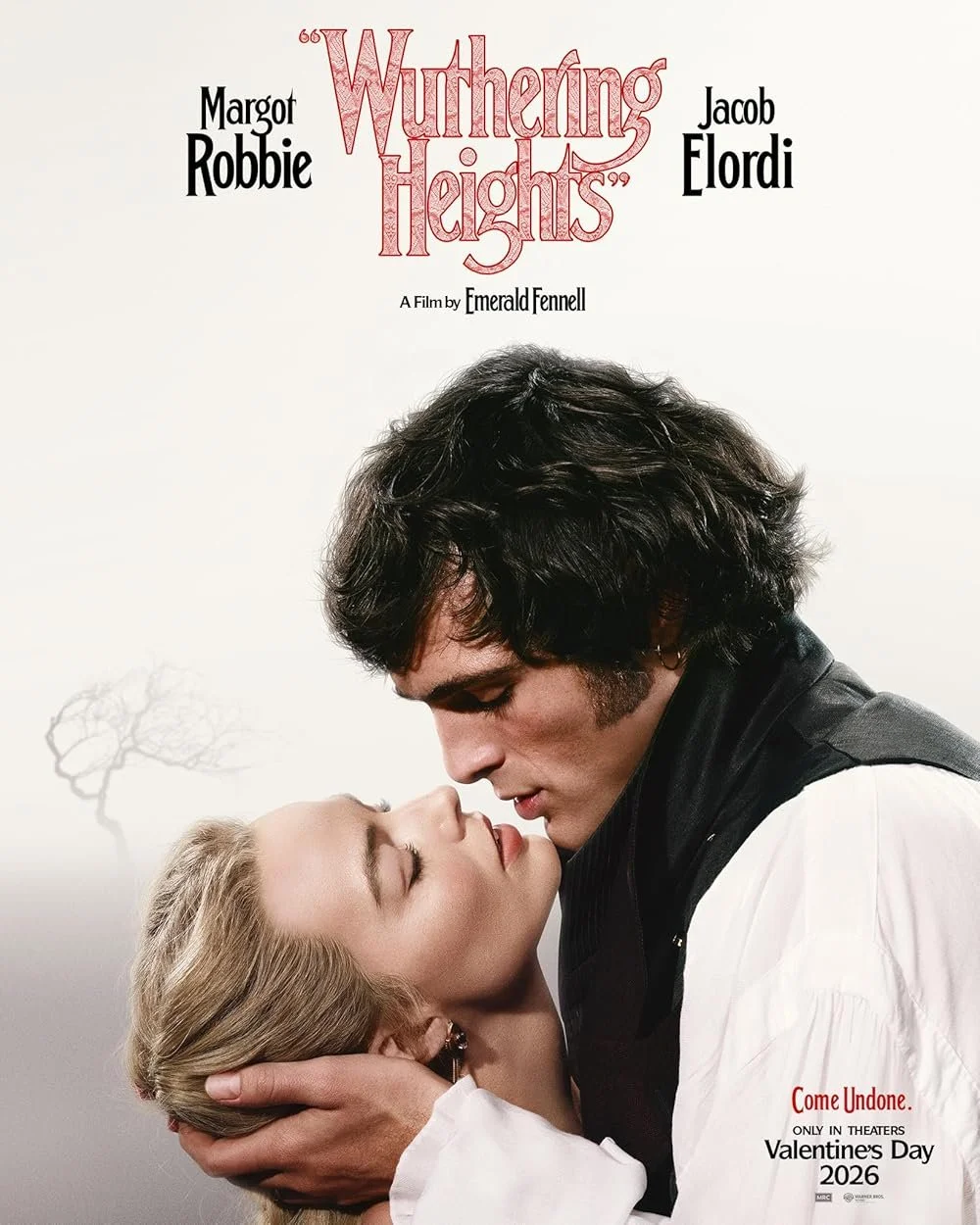
Let me be clear: I love Emerald Fennell films. I am so thankful for her provocative lens. It is so important that we protect auteurs like Emerald Fennell, Coralie Fargeat, Emilie Blichfeldt, Andrea Arnold, Sofia Coppola, Sarah Polley, and actresses-turned-filmmakers like Maggie Gyllenhaal and Kristen Stewart—women who are challenging the mainstream and championing female stories.
It’s not that I didn’t appreciate Fennell’s “Wuthering Heights”. I’m glad it exists. I just wonder if this sentimental project would have benefited from a more sentimental approach (which is something I would never say; sentimentality is a sure way to ruin any piece of art).
Let’s not waste time on a synopsis. Wuthering Heights is 178 years old. You don’t know it, google it.
In theory, I like what Fennell was aiming for: rather than capture the essence of the novel, Fennell aims to capture the essence of a reader’s imagination, the way the sexual mind informs the gaps in a story that is more romantic than sexy (like Wuthering Heights). To me, this feels like a fabulous way to examine how the female mind absorbs and processes romance novels, how the imagination travels outside the bounds of the actual book.
Sometimes the imagination wanders/wonders: I read Twilight in my mid 20s. I remember thinking it was such a sexy book, when really it was the peripherals of my imagination that made it sexy. When I closed the book, I found myself revisiting Edward’s bedroom scene in my mind, allowing my retroactive imagination to process and mold the scene into what I would eventually remember it as: a very sexy scene. Or least sexier than what was on the page.
Another example of this phenomenon: V.C. Andrews. When I was younger, I hid those gothic novels in my closet, thinking they were smutty. Too sexy to put on a shelf in plain view. Now, when I reread them, I’m fascinated by their prudish nature. The sex scenes take up less than a page, with no graphic details, which means it was me—my tingles—that were making a relatively tame sex scene feel overtly explicit.
I like this idea of taking something like V.C. Andrews or Twilight and adapting it to what the sexual mind wants for the story. Yes, we have fan fiction, but fan fiction seldom caters to the intellectual side of adaptation. I want sexy and smart—something that my nerd brain can pick apart and analyze for fun. Fennell is a fun intellectual; she’s always planting literary references and easter eggs in her work.

Unconventional film adaptations are the best way to get young people excited about classical works. Don't even get me started on the 2025 film adaptation Hedda, a reimagining of Hedda Gabler through a queer female lens. Fucking brilliant! I’m still mad that people don’t talk about it more. Damn you non-theatre majors! I NEED to talk about Hedda and the all-black Death of a Salesman film adaptation that has yet to be made. Remind me to do a BEST OF list of Shakespearean film adaptations, along with a RANKING of best Miss Julie adaptations.
Unlike traditional WH adaptations, Fennell chooses to prioritize Cathy and Heathcliff’s sexual tension, sensuality, and soulmate connection through a BDSM lens. Fennell argues that sadomasochism is a common theme throughout the book. “There’s a reason people were deeply shocked by it [when it was published].” Fair enough. In fact, I like that! Love reexamining a crusty old classical work through a specific, less-talked-about lens.
The problem is this: when we prioritize the sexier, more salacious angle of a film, we risk devaluing (or losing) the material that makes the film emotionally engaging for an audience. If we spend more time understanding Cathy and Heathcliff as horny primates, we lose time with them as soulmates. In other words, we deny the audience the opportunity to invest in what makes their relationship tragic and special: the “I can’t breathe without you” factor. Sex is cheap. There’s nothing wrong with that. But if we position sex as the glue that holds two characters together, don’t expect us to care once Act III rolls around, and suddenly, one of those characters dies. My issue with “Wuthering Heights” isn’t its hyper-sexualization of a classical work, it’s that I just don’t care about characters that would rather fuck each other than love each other.
I frown on criticism that doesn’t attempt to offer a solution. I’ll try my best. In the book, the moor feels like a sacred space—a base where Cathy and Heathcliff can escape the complexities of class, duty, and domesticity. It is an emotional space, hosting key scenes between Cathy and Heathcliff that further highlight their volatile, yet loving, relationship. If Fennell was going to go all out on the sexy stuff, perhaps it would have been more beneficial to keep the moor scenes chaste, using them to reinforce the deeper, emotional intimacy that tethers Cathy and Heathcliff. A bond of trust, not lust. In other words: preserve the moor. Make it the ONE THING that the film is willing to protect from Fennell’s provocative, sex-centric vision.
The performances were solid; the actors worked well with what they were given. I actually liked that Fennell’s characters were nastier and more unlikable than previous film adaptations. That decision felt true to style; Fennell is a master of bringing wickedness to the surface. Even her likable characters are never that likable, but we’re always eager to see what they’ll do next. I particularly enjoyed Martin Clune’s depiction of Earnshaw, Cathy’s father, though I did think his character lacked irony. Not his fault; that issue falls on the writing. Nevertheless, for a secondary character, I found his screen presence quite impressive.
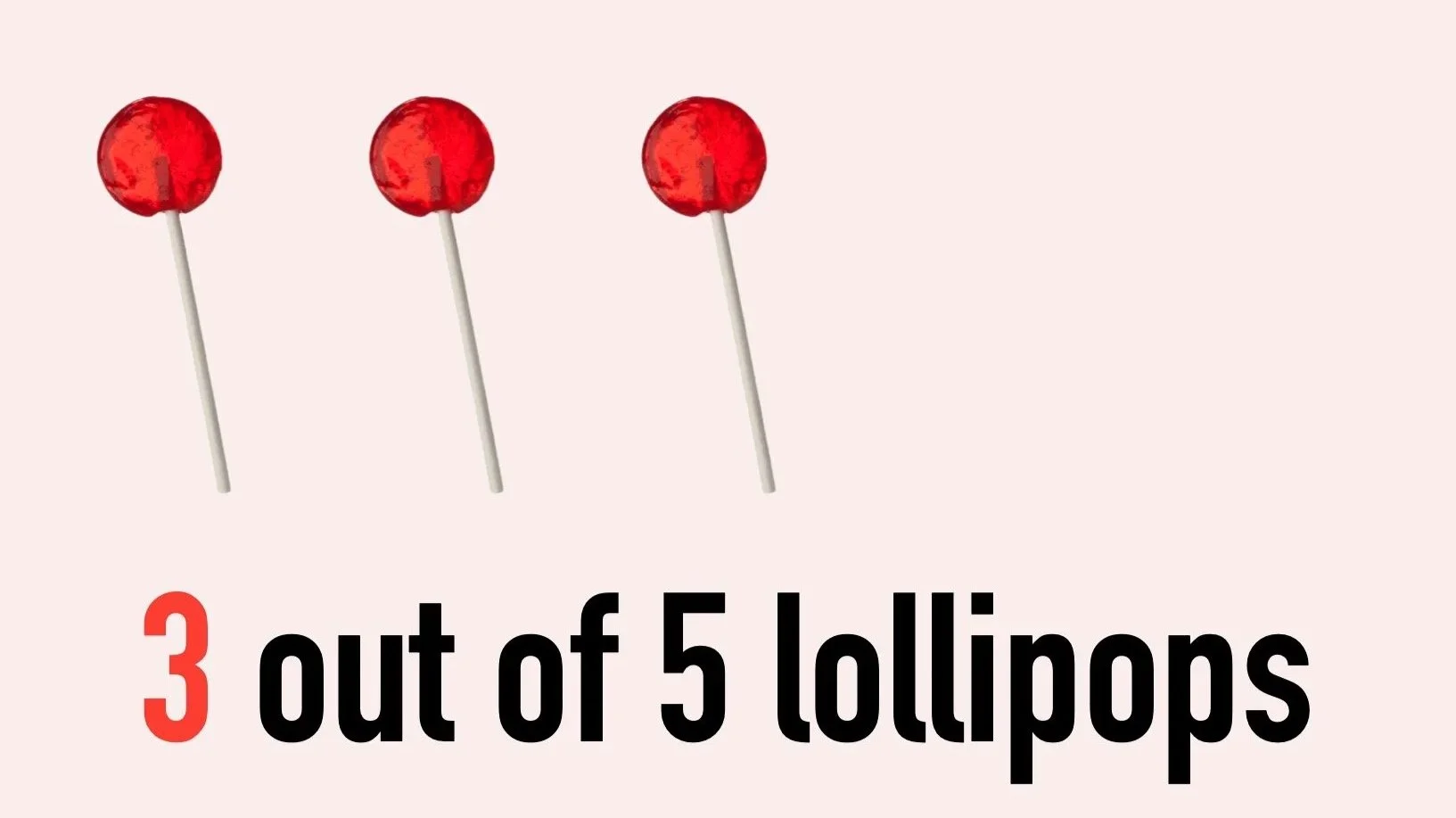
All in all, I’m not disappointed in the adaptation for what it is. Fennell set out to make a smutty, cinematically stunning version of Wuthering Heights. Mission accomplished. I’m disappointed because this was a missed opportunity for Fennell to make a truly brilliant, faithful, BDSM-coded adaptation. I thought the more subtle BDSM references were brilliant: the corset pulling, Heathcliff’s sweaty scars, his hands masking Cathy’s face, the repetition of “Do you want me to stop?” To me, more subtlety would have mastered Fennell’s so-called intent. If Fennell wanted to capture the phenomenon of how we remember (and subconsciously sexualize) romantic works, why not simply tap into a viewer’s subconscious in a keenly manipulative subconscious way? Make it BDSM-coded, not painted. A great example of this coding? Challengers. The homoerotic elements are heavily coded throughout, yet subtle enough to make you second-guess them, creating an incredibly erotic film that never feels like it’s peacocking.
If Fennell chooses to adapt another classical work in the future, that would be my hope: more coding, less peacocking. With the right editor/advisor in her ear, I think she would be a master at adapting 19th century gothic novels.
If you like give-no-fuck adaptations of classical works, or just the pleasure of seeing Jacob Elordi soaking wet by candlelight, this might be the film for you.
“WUTHERING HEIGHTS” | Warner Bros.
Release date: Feb 13th, 2026
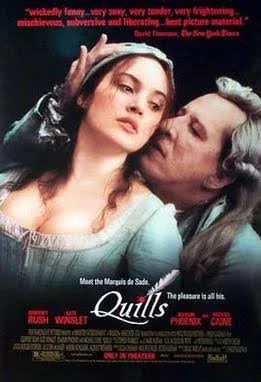
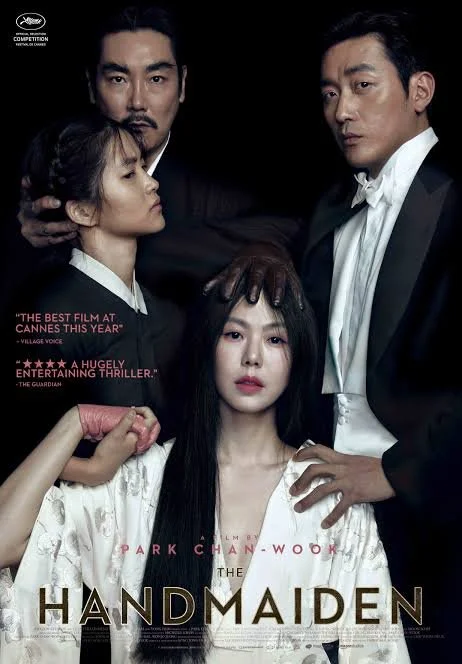
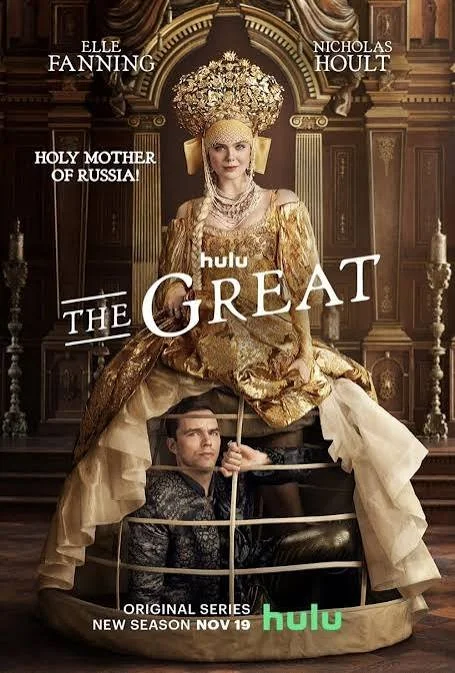
If You like STEAMY PERIOD PIECES with a WICKED SENSIBILITY, Consider THESE: